

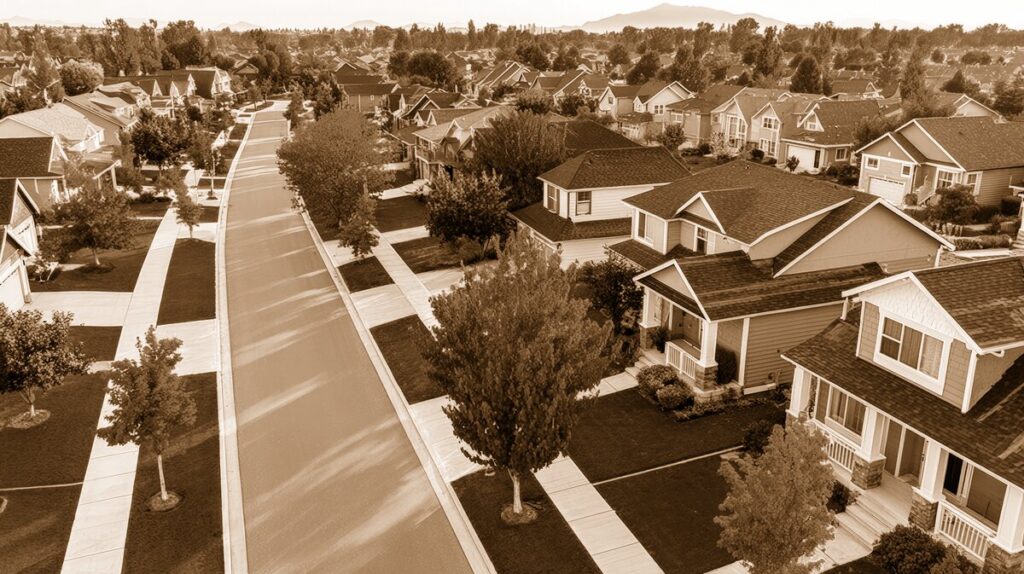
Nestled in the heart of Moore County, Pinehurst No. 6 stands as a testament to both the growth and heritage that have shaped Pinehurst, North Carolina into a world-renowned golf destination and a beloved place to call home. As a longtime resident, I often find myself walking its tree-lined streets, reflecting on just how much this neighborhood has evolved while still holding on to the spirit of the village itself. For those curious about Pinehurst’s unique neighborhoods, No. 6 offers a history as rich as the fairways that wind through it.
The Origins of Pinehurst No. 6
Pinehurst’s story began in 1895 when James Walker Tufts, a Boston soda fountain magnate, envisioned a healthful retreat among the pines. While the original village and legendary No. 2 course often take center stage in local lore, Pinehurst No. 6 marks a fascinating chapter in the ongoing expansion of Tufts’ original vision.
The neighborhood known today as Pinehurst No. 6 emerged in the mid-1970s, decades after the first golf courses had been established. With Pinehurst’s growing popularity, the demand for new housing and additional golf amenity options led to the property’s development. No. 6 was the first major extension of Pinehurst’s boundaries in the modern era—a clear reflection of the town’s enduring appeal to both golf aficionados and families seeking a tranquil community.
How Pinehurst No. 6 Got Its Name
The naming of Pinehurst No. 6 is closely bound to the famed Pinehurst Resort and its tradition of numbering its courses rather than giving them specific names. Arthur Hills, a renowned golf course architect, was commissioned to design Pinehurst’s sixth 18-hole course in 1979. Naturally, it took on the name "No. 6." The surrounding homes, built to embrace the course’s rolling fairways and woodlands, quickly adopted the moniker, and the Pinehurst No. 6 neighborhood was born.
Unlike the historic homes encircling the original village greens, No. 6 offered buyers the chance to enjoy modern, custom-built houses often with golf course views, tucked among winding roads like Juniper Creek Boulevard, Spring Lake Road, and St. Andrews Drive. The sense of connection between the golf course and the community continues to define No. 6’s character.
Key Historical Milestones
- 1979 – Arthur Hills completes the design and opening of Pinehurst No. 6 Golf Course, with new homesites planned around its fairways.
- Early 1980s – The first families move into the burgeoning No. 6 neighborhood, forging a new legacy for Pinehurst living outside the original village.
- 1980s–1990s – Pinehurst No. 6 becomes home to year-round residents, not just seasonal visitors. Community clubs and organizations begin, reflecting the social fabric Pinehurst is known for.
- 1999 – With the nearby Pinehurst Resort hosting the U.S. Open at No. 2, No. 6 experiences renewed attention, and new residents are drawn to its blend of golf and peaceful residential streets.
Notable Landmarks and Institutions
While Pinehurst Village Square and the famous Carolina Hotel attract most visitors, No. 6 has its own points of pride:
- Pinehurst No. 6 Golf Course – The central landmark, this course has hosted numerous amateur tournaments and regional championships. It is known for its subtle differences from other Pinehurst courses, with more elevation changes, water hazards, and natural doglegs.
- Juniper Lake – Tucked off Juniper Creek Boulevard, this pine-rimmed lake offers water views to many residents and is a favorite spot for fishing, kayak paddling, and birdwatching.
- The No. 6 Clubhouse – More relaxed than the main resort clubhouse, it serves as a social hub for residents and members alike.
- Local Churches and Schools – For many families, the proximity to Sandhills Community College and schools along Highway 5 and Camp Easter Road has been an anchor for community involvement and growth.
The Evolution of the Neighborhood
From its inception, No. 6 set itself apart through its integration with the natural landscape. Early residents were drawn to its sense of seclusion and the way the homes almost seemed to blend into the towering pines. The neighborhood continues to evolve, seeing new construction alongside classic 1980s and 1990s architecture—a unique blend of styles.
- Architectural Diversity: Ranch-style homes with sweeping views, Cape Cods with manicured lawns, and craftsman cottages are all found here. Many homes were custom-built, resulting in a streetscape as varied as its residents.
- Sense of Community: Annual block parties, golf outings, and holiday decorating contests foster a lively spirit. On any given evening, you’ll see neighbors walking along every curve of St. Andrews Drive or golfers winding down their day on the back nine.
- Nature Preservation: Mature trees and protected greenways are a hallmark of No. 6. Side streets like Sunningdale Court and Ridgewood Road are especially notable for their peaceful, wooded ambiance.
Enduring Heritage and Community Spirit
Though younger than Pinehurst’s historic core, No. 6 is woven deep into the area's fabric. When I speak with longtime friends here, I hear the same refrain: No. 6 offers the quintessential Pinehurst experience—access to championship golf, abundant natural beauty, and a neighborly culture rooted in shared pride and local tradition.
From the playgrounds at nearby Rassie Wicker Park to the Saturday morning golf leagues, Pinehurst No. 6 is both a continuation and a celebration of James Tufts’ original dream. Decades after the first lots were staked, residents new and old work to maintain that welcoming, timeless aura.
Looking Ahead
While Pinehurst continues to modernize, No. 6 holds firm to its roots. Whether you’re a golf enthusiast, a nature lover, or simply someone seeking an authentic North Carolina community, this neighborhood offers a little bit of everything—a piece of Pinehurst history in every street and smile.
For those considering a visit or perhaps calling Pinehurst home, take a slow drive down Juniper Creek Boulevard or stroll along the lush fairways at dusk. You’ll soon discover why so many, myself included, can’t imagine living anywhere else.